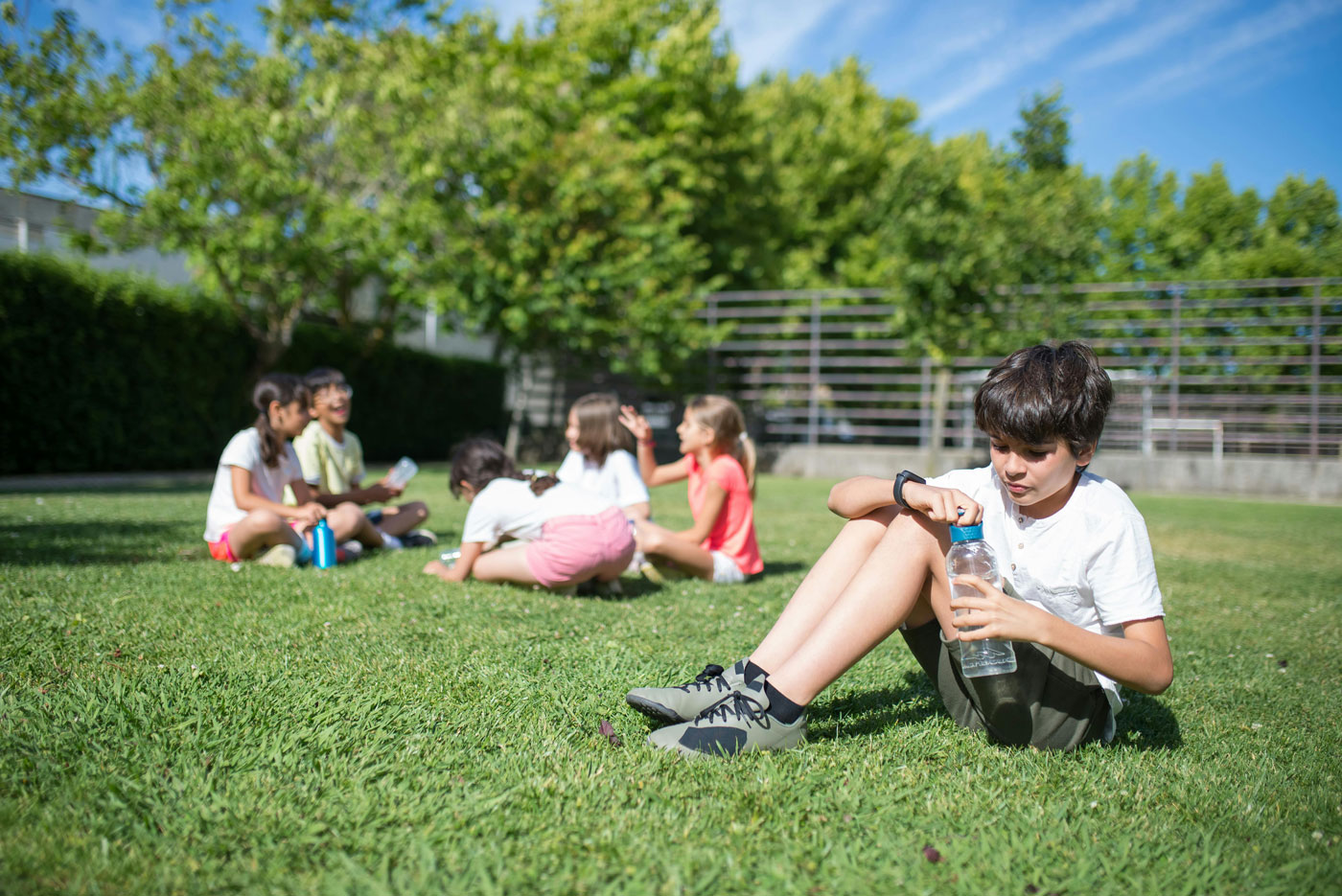
Winter break offers a welcome pause from the daily hustle—but for many children, especially those with emotional, behavioral, or developmental challenges, the disruption of routine can lead to stress, anxiety, or behavioral issues. Without the structure of the school day, children may struggle to manage time, energy, or emotions effectively. As caregivers, we can ease this transition by creating predictable environments and routines that support regulation and connection.
Why Routine Matters for Children with Emotional or Behavioral Needs
Children who thrive on structure often find comfort in the rhythm of the school day—set wake-up times, consistent meals, clear transitions, and social engagement. When school is out, that structure disappears. This can result in:
- Increased meltdowns or oppositional behavior
- Difficulty falling asleep or waking on time
- Heightened anxiety or restlessness
- Regression in progress or coping skills
Lack of predictability can feel unsafe or overwhelming for kids who already struggle with emotional regulation. That’s why it’s so important to build routines at home—even when school is out.
Practical Tips for Creating Structure During Winter Break
Here are some easy, flexible ways to provide stability and calm during time off:
1. Set a Soft Daily Schedule
You don’t need to replicate the school day exactly, but having general time blocks for meals, play, learning, and rest helps provide a sense of order. Use visual schedules or whiteboards for kids who benefit from seeing what’s next.
2. Start and End the Day Consistently
Keep wake-up, bedtime, and meal routines close to the school schedule to maintain regulation—especially for children with sleep-related challenges or mood disorders.
3. Incorporate Movement and Sensory Play
Without recess or gym, kids may build up excess energy. Plan short indoor or outdoor movement breaks (dance parties, yoga, walks, snow play) and offer calming sensory activities (playdough, weighted blankets, fidget toys) during downtime.
4. Create “Special Time” for Connection
Spend 10–15 minutes each day doing a preferred activity with your child without distractions. This builds emotional safety and can reduce attention-seeking behaviors throughout the day.
5. Prep Kids for Transitions
If you’re traveling, hosting guests, or attending events, let your child know in advance using visuals, calendars, or social stories. Practicing what to expect helps reduce anxiety and resistance.
6. Offer Choices Within Structure
Give your child autonomy by allowing them to choose between structured options. For example, “Would you like to do a puzzle or play outside after lunch?” Predictable freedom can ease power struggles.
You Don’t Have to Navigate This Alone
At the Family Support Organization of Hunterdon, Somerset & Warren Counties (FSO-HSW), we understand how challenging winter breaks can be for families of children with emotional, behavioral, or developmental needs. Our peer-led support, education programs, and resources are designed to help you feel confident and supported year-round. Visit our website to explore our services, connect with a Family Support Partner, or find more helpful tips on our blog page.