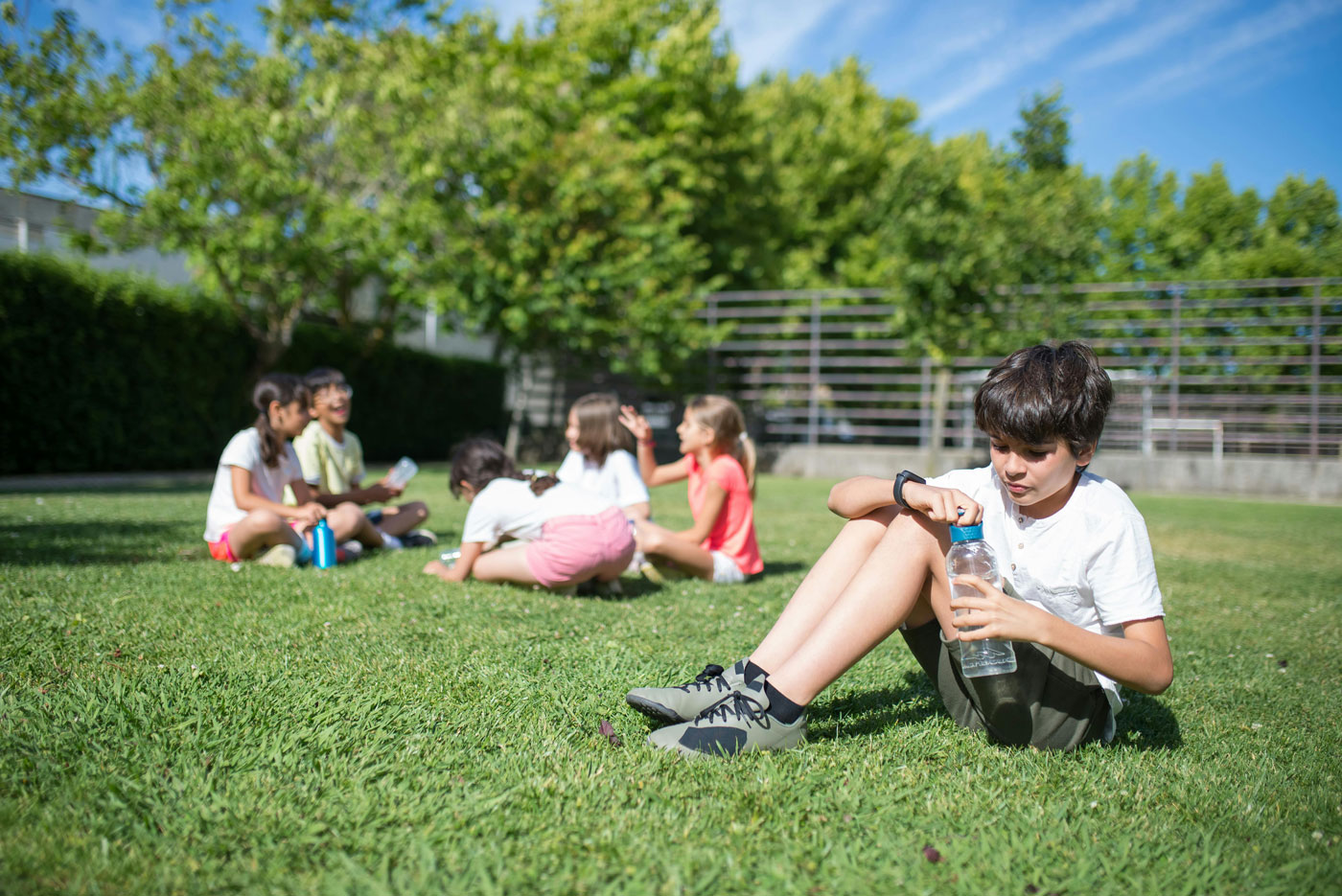
Children with ADHD, autism, anxiety, emotional regulation difficulties, or developmental disorders may already find social interaction challenging during the school year. Summer often removes the built-in opportunities for connections that school naturally provides.
This can lead to:
- Increased loneliness or withdrawal
- More screen time and less face-to-face interaction
- Anxiety around social situations
- Loss of social skills confidence
- Increased emotional outbursts or frustration
For some children, even wanting friendships but not knowing how to maintain them can become emotionally exhausting.
Signs Your Child May Be Feeling Socially Isolated
Summer isolation doesn’t always look obvious. Some children may appear to be content staying home while internally struggling with loneliness or disconnection.
Signs may include:
- Spending excessive time alone
- Increased irritability or sadness
- Avoiding activities involving peers
- Frequently saying they’re “bored”
- Anxiety about camps, outings, or group activities
- Becoming overly attached to screens or devices
Recognizing these signs early can help caregivers step in with support before isolation deepens.
Ways to Encourage Healthy Social Connection
1. Keep Some Structure in Place
Children often feel more comfortable socially when they know what to expect. Having a predictable weekly schedule with planned activities can reduce anxiety and create opportunities for interaction.
2. Focus on Low-Pressure Social Opportunities
Large group settings can feel overwhelming. Smaller gatherings, short playdates, library programs, or structured activities based on your child’s interests may feel more manageable.
3. Encourage Interest-Based Activities
Children tend to connect more easily when conversations center around shared interests. Art classes, gaming clubs, nature programs, or STEM camps can help build confidence naturally.
4. Practice Social Skills at Home
Role-playing conversations, discussing body language, or practicing how to join activities can help children feel more prepared in real-life situations.
5. Balance Screen Time with Real Connection
While technology can help children stay connected, too much isolation behind screens can increase emotional withdrawal. Encourage opportunities for face-to-face interaction whenever possible.
6. Celebrate Small Social Wins
Every interaction matters. Whether your child initiates a conversation, attends an activity, or tries something new socially, recognize their effort and progress.
Connection Matters All Year Long
Summer doesn’t have to mean social disconnection. With patience, structure, and support, children with social challenges can continue building confidence, friendships, and emotional resilience throughout the break.
At the Family Support Organization of Hunterdon, Somerset & Warren Counties (FSO-HSW), we understand the unique challenges families face during seasonal transitions and unstructured time.
Visit our blog for more resources, caregiver tips, and emotional wellness insights to help support your child throughout the summer and beyond.